

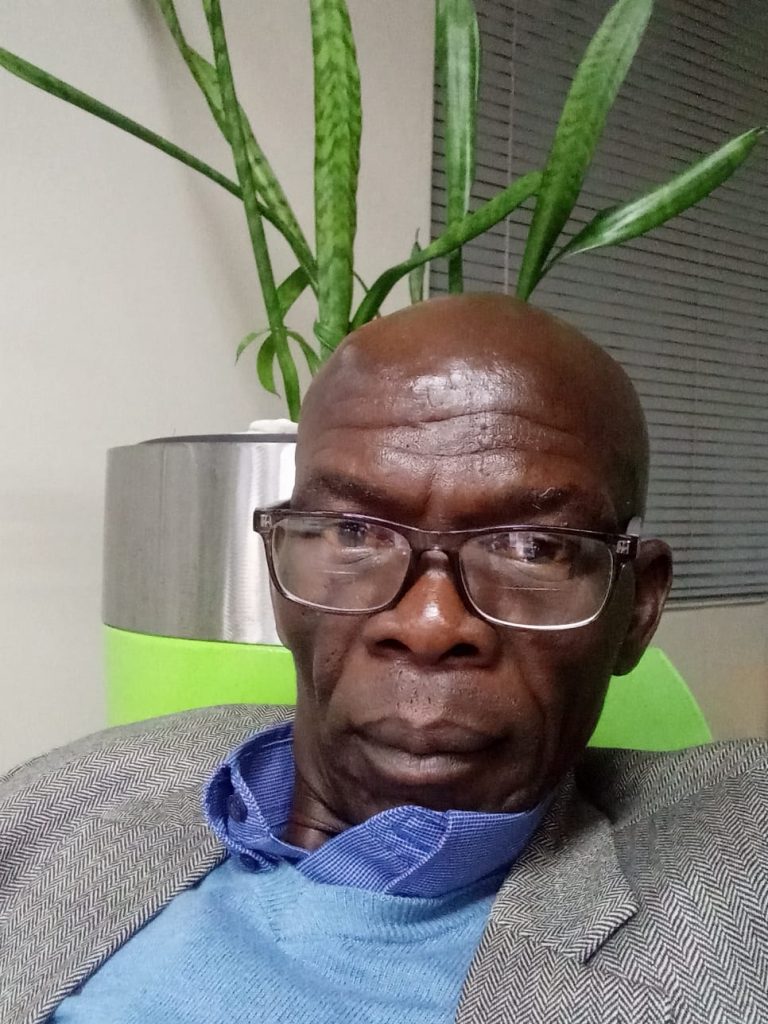
Harold Mokoto – Chairperson of Mokoto Clan.
By: Harold Mokoto
In order to have a deeper grasp and understanding of the Balobedu Royal Dynasty and its intricacies one needs to dive deep into the secrecies that are embedded in the family web structures
Right from the outset one need to understand and appreciate the fact that the Balobedu Royal Dynasty is not a typical monarchy, it is by definition a royal institution comprised of selected family members as determined by blood and seniority within the aforesaid structures plus lineage, it places the Queen as the face of the institution, but behind the Queen is the Royal Council led by a Chairperson which dictates and directs rules and laws for the Balobedu territory.
The families that form the royal inner circle by birth right are : Modika, Mahasha, Mokoto/Boke/ Mohale. The reasons why the inner circle is formulated as such are historical – lineage, birthright and seniority within family structures.
The last male King of the Balobedu tribe was Mokoto, he is the one together with his brothers decided to change the trajectory and made his daughter (Maselekwane) the first Queen of the Balobedu tribe.
Many reasons are bandied about for these change and one of them is the royal entity as the ruling elite got weary of the infighting and splits that happened after the passing of each king. Here it’s important to remind the reader that our ancestral fathers used to practice polygamus marriages and there would always be many sons resulting from these type of marriages, so fighting for the top position after a king father was common place e.g. the splits by the two Mamaila’s, Sekgopo, Mamabolo are well known. The above mentioned are Mokoto’s sons.
The installation of a female as Queen, brought about its own challenges as one can imagine as to how to maintain and sustain the lineage of the royal blood within the circle. That is the point where the secrecy of the inner royal circle came into play, only the senior inner circle members were briefed and sworn into secrecy as to who would father the heir to the throne and only the first female would be recognised, though exceptions would be accepted when other circumstances arise.
Sometime in the early or late 50’s the Balobedu Queenship was downgraded by the Apartheid regime and its powers were usurped, the problems deepened in 1959 after the passing of Wallace Mokoto, the last legitimate heir of the royal council chairmanship.
Queen Makoma was left exposed to hostility by position mongers and illegitimate claimants to royalty. The infiltration into royalty by commoners became so rife and purging of the above mentioned family inner circle members escalated.
In 1980 after the passing of Queen Makoma, the last few family inner circle members by blood were removed from positions of authority and replaced by ” Bana ba batlhanoni” and infiltrators.
It is worth mentioning that amongst the two groups that is challenging and dragged the State President for Masalanabo’s recognition as Queen, there is no single one amongst them who can bear claim to the Balobedu Royalty.
You would be so surprised if each one were to be asked to provide his lineage to lay the basis either for his/her claim or support of the present conundrum that the Balobedu Queenship is faced with.
May I re-emphasize that the rightful and legitimate families that should be sitting in that court resolving the mess the Balobedu tribe is facing are not in that court. The presiding realised the dangerous game that those imposters are engaged in.
It is the right time that the legitimate and right people are consulted and interviewed about these matter. Speaking to imposters, illegitimate commoners and comrades that are only looking after their own pockets or singing for their lunch is not going to solve the Balobedu Queenship problem.
The Queenship is an institution that is occupied by a person who is heir to it by lineage and bloodline, and she bears the face of the Balobedu’s, she will pass on one day and the institution will remain, another heir or regent will occupy the same throne in the institution without fail.