

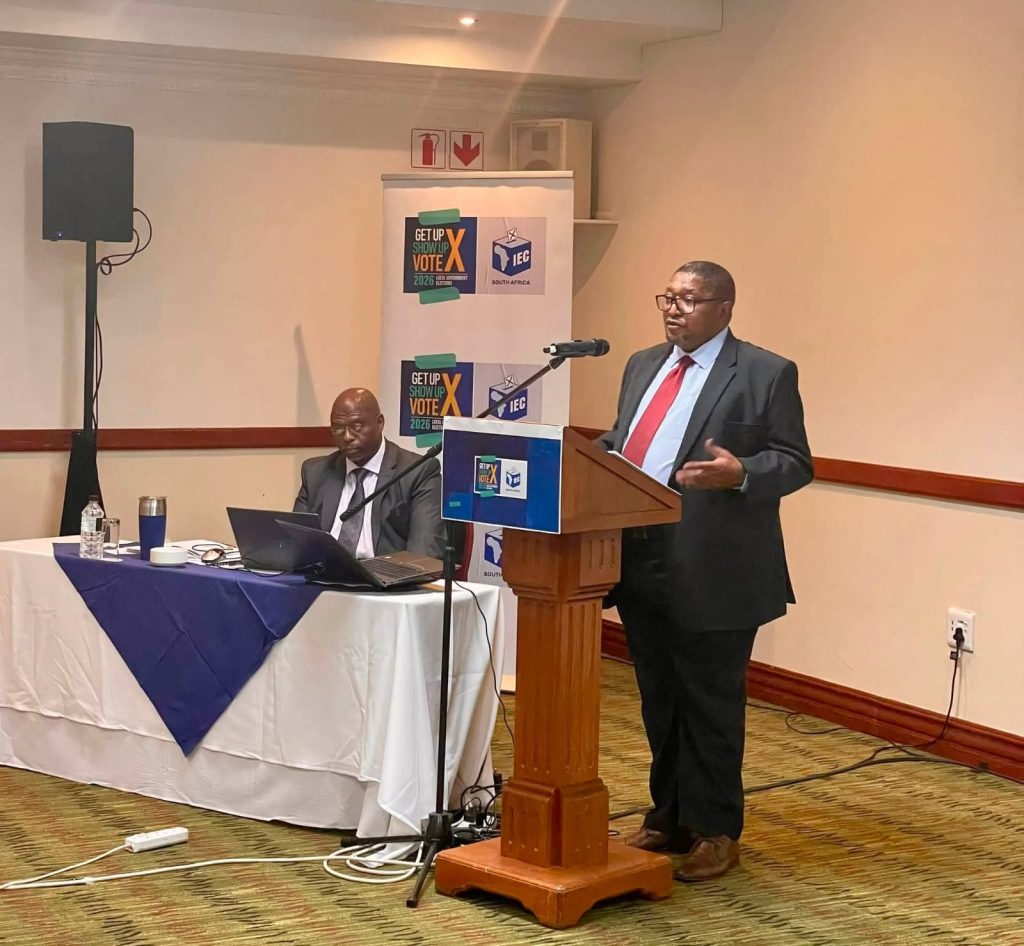
IEC Commissioner Glen Mashinini opens the Seminar.
The Electoral Commission in Limpopo brought together experts, community members, and researchers to tackle a growing challenge facing local communities: voter fatigue and democratic disengagement. Convened under the title “Thought Leadership Seminar: Understanding Democratic Disengagement, Electoral Participation and the Possible Implications for the 2026 Local Government Elections,” the event aimed to understand why voters are tuning out and what can be done to bring them back.
Chaired by Mr Itumeleng Seanego, Manager of Electoral Matters in Limpopo, the event created a platform for honest conversation about the health of local democracy. Commissioner Glen Mashinini delivered the official opening, emphasizing that a healthy democracy requires active participation from all citizens. Ms Nkaro Mateta, the Provincial Electoral Officer for IEC Limpopo, outlined the main purpose of the gathering: to pinpoint the real reasons behind lower voter turnout and to map out remedies ahead of the 2026 local polls.
A Wave of Disillusionment and Fatalism
A central theme of the gathering was the shift in public sentiment from simple political indifference to deep fatalism. Many citizens feel that cast ballots no longer yield tangible changes in their daily lives.
Dr Steven Gordon, Chief Research Specialist at the Human Sciences Research Council (HSRC), presented data tracking recent voter participation trends. His presentation showed that lower turnout among younger generations is rarely caused by simple apathy. Instead, citizens are expressing frustration with poor service delivery, high unemployment, and a lack of official accountability. When people feel that their vote cannot change their reality, they simply stay home on election day.
This concern was explored further by Dr Sithebile Mbete, Executive Director at the Public Affairs Research Institute. Moderating the main topic, Dr Mbete raised a critical question: Is rising fatalism among South Africans posing a greater threat to democracy than authoritarianism? She highlighted how quiet surrender and loss of faith in public institutions can damage democratic structures just as severely as direct political attacks. When communities give up on the voting process, local government loses its legitimacy and its connection to the people.
Expert Insights and Practical Solutions
A panel discussion brought additional voices to the table, featuring Associate Professor Patrick Dzimiri from the University of Venda, public administration scholar Ms Rosinah Pillay, and Professor Ricky Mukonza from Tshwane University of Technology.
The panel agreed that restoring public trust requires immediate action rather than long speeches. Key recommendations included:
*Direct Community Engagement: Local leaders must create consistent, open town halls where residents can speak freely and see real follow-up on their issues.
*Practical Civic Education: The IEC and local organizations need to explain clearly how local government operates, showing the direct connection between municipal votes and everyday essentials like clean water, streetlights, and safe roads.
*Visible Results on the Ground: Councils must prioritize quick, reliable service repairs in neglected areas to demonstrate that public administration can respond effectively to community needs.
During the interactive session, attendees raised questions about local government performance, transparency, and accountability. Many emphasized that voters want to see real improvement in municipal services before they will feel motivated to vote in 2026.
Looking Ahead to 2026
Closing out the event, Commissioner Titi Pitso provided key reflections on the way forward. She noted that while rebuilding trust takes time, honest discussions like this seminar mark an important first step.
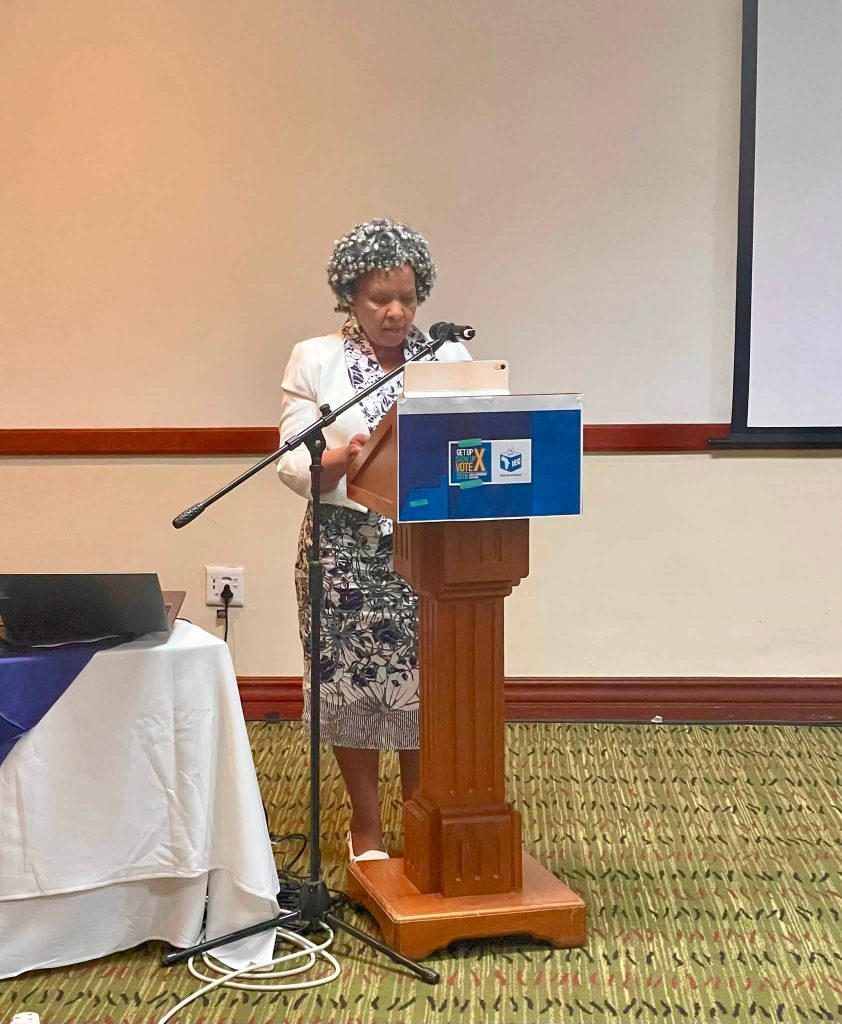
IEC Provincial Electoral Officer, Nkaro Mateta.
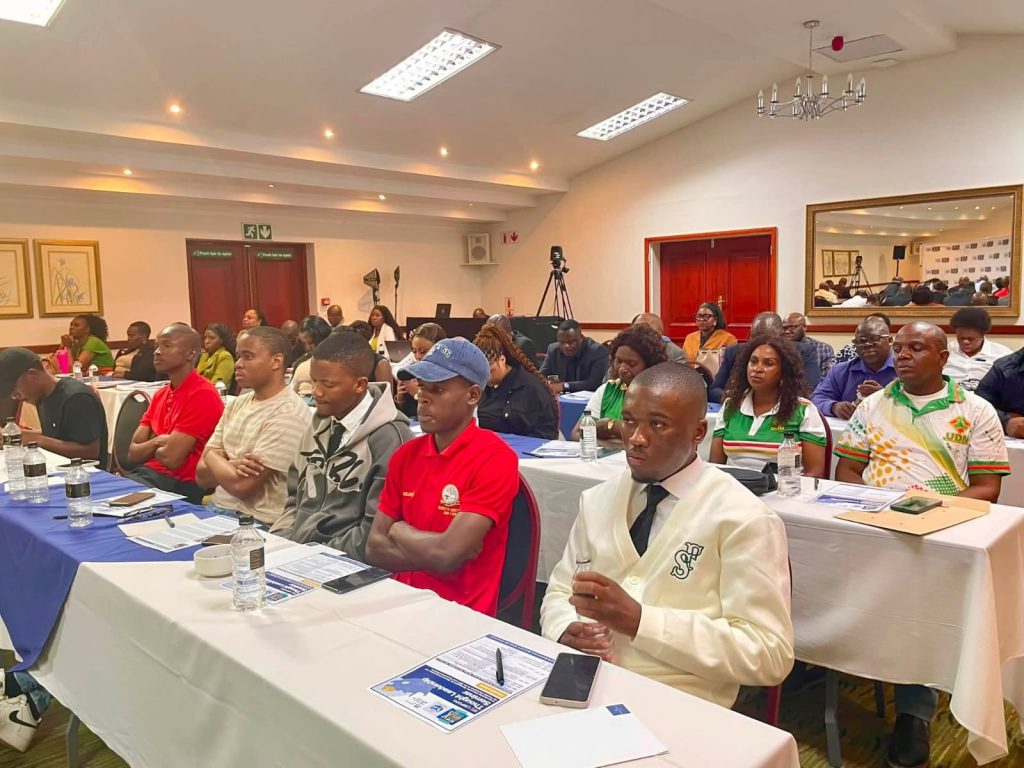
Political parties,, traditional leaders and civil society organisations attended the seminar.