

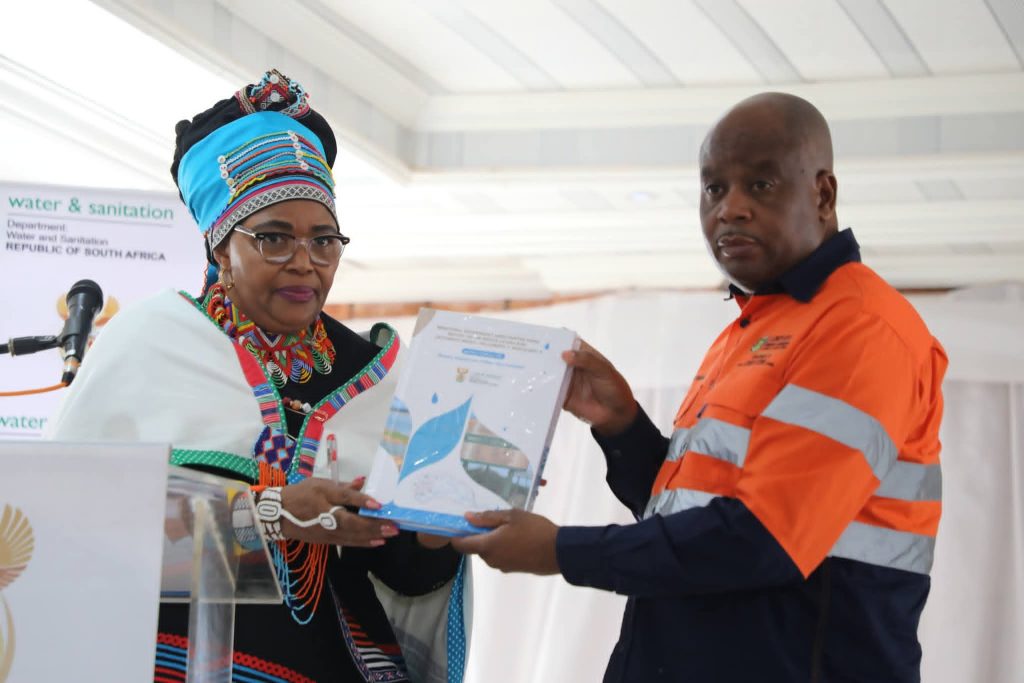
Minister Pemmy Majodina hands over the Middle Letaba Investigation Report to MEC Basikopo Makamu on behalf of Premier Dr Phophi Ramathuba.
In the dry heart of Limpopo, water is more than just a resource. It is a lifeline that connects the kitchens of Giyani to the sprawling orchards of Mooketsi.
For years, however, that lifeline has been fraying. The Middle Letaba Dam, a massive structure built to nourish over 55 villages, has stood like a hollow giant. Its water levels have hovered at a haunting eight percent, leaving the 60 kilometer canal that feeds local water works bone dry.
On Wednesday, May 13, 2026, the silence surrounding this crisis finally broke. At the Ndengeza Bethesda Assemblies of God, a high powered delegation led by the Minister of Water and Sanitation, Pemmy Majodina, and Limpopo MEC Basikopo Makamu, released a report that many hope will mark the end of “water starvation” for the Vhembe and Mopani Districts.
The Great Diversion
For a long time, community members and small scale farmers downstream noticed something strange. Even when the rains came, the dam did not fill. Suspicions turned toward the upstream tributaries: the Middle Letaba, Koedoes, and Brandboontjies rivers. Rumors swirled that wealthy upstream farmers were unlawfully blocking these veins of the earth to fill their own private dams.
An independent panel, led by retired Judge Bernard Ngoepe, spent months investigating these claims. Their findings, now officially handed over to the provincial government, confirm the community’s worst fears. The investigation identified illegal water diversions and unlawful blockages as key reasons why the dam remained a dusty bowl. These illegal obstructions did not just steal water. They stole dignity.
The report highlights a sharp contrast between the lush, green usage in some agricultural sectors and the dry taps of downstream households. In Giyani, the lack of water has meant a loss of livestock and the death of small gardens that families rely on for food.
A Turning Point for Mopani
The release of the report was met with a sense of relief and urgency by local leadership. Mopani District Executive Mayor, Councilor Pule Shayi, described the day as an important step toward rebuilding trust. He acknowledged that for many families, the water shortage has been a daily struggle affecting their health and livelihoods.
“Today marks the end of uncertainty and the beginning of action,” Councillor Shayi said. He made a direct plea to the national government to include the district in the next phase of Operation Vulindlela. His message was clear: the district needs technical support and stronger infrastructure systems to respond faster to the needs of the people. The Mayor emphasized that the time for investigating has passed and the time for implementation has arrived.
The State of the Infrastructure
The probe did not stop at illegal dams. It looked into the very pipes and plants meant to serve the people. The findings are sobering. About 78 percent of wastewater treatment works in the province are struggling to function. This infrastructure failure makes it even harder to provide clean water, even when the rivers do flow. Systemic inequities have been allowed to fester for too long. While some enjoyed a surplus, others were forced to wait for water trucks that did not always come.
A Promise of Action
MEC Basikopo Makamu, standing in for Premier Dr. Phophi Ramathuba, received the report with a heavy sense of responsibility. His message was simple and human. He stated that the report is not an end in itself. He reminded the gathered crowd that the real goal is only reached when water finally flows from the taps of every household.
Makamu committed that the Limpopo Provincial Executive Council will process these findings with urgency. The government has already promised to take a “wrecking ball” to illegal dams that restrict water flow. There is a new sense of law and order returning to the riverbanks. The Department of Water and Sanitation has signaled that the days of unlawful water hoarding are over.
Restoring the Flow
The path forward involves both short term relief and long term engineering. The R550 million project to raise the Tzaneen Dam wall is a major part of the strategy to boost the regional supply. But even the biggest dam is useless if the water never reaches it.
The Minister and the MEC have emphasized that they will walk together with the communities to implement the recommendations. This includes restoring the 60 kilometer canal and fixing the Mapuve and Giyani Water Treatment Works.
As the meeting in Ndengeza concluded, there was a feeling of cautious optimism. For the people of Vhembe and Mopani, the release of this report is the first sign of rain after a very long season of drought. The “water mafia” and those who diverted the province’s lifeblood are now on notice.
In Limpopo, the sun is high and the earth is thirsty. But with the truth now out in the open, the journey toward water justice has finally begun. The government’s vow is clear: they will not rest until the Middle Letaba Dam is once again a source of life for all, and not just a few.
The full report is now available for public access on the Department of Water and Sanitation’s website.
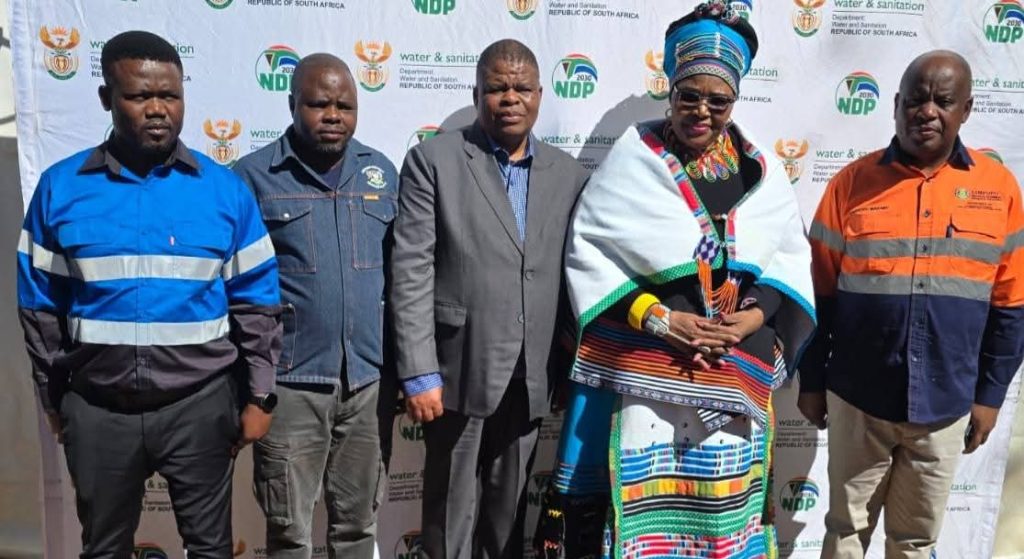
Vhembe Executive Mayor Miyelani Chauke, Mopani Pule Shayi, Deputy Min of Water and Sanitation David Mahlobo, Min of Water and Sanitation Pemmy Majodina and MEC Basikopo Makamu.
https://shorturl.fm/zd5ok
https://shorturl.fm/uFRvJ