


Ward Councilor candidate, Constance Ramothwala.
The political atmosphere in Ward 10 of the Greater Tzaneen Municipality is electric as the African National Congress (ANC) candidate selection process enters a fever pitch.
In a dramatic display of democracy in action, the Mokwape Edwin Malatji Branch recently took its four councilor candidates directly to the people.
Residents in the three villages of Marirong, Motupa, and Kubjana were given the ultimate power to scrutinise and vote for the individuals they want to represent them in the upcoming local government elections.
The selection process was nothing short of grueling. It began at Marirong, where a massive crowd packed the Mokutupi Primary School. The contenders for the ward included local candidates Constance Ramothwala and Peter Motseo, alongside Lazarus Malatji, Kgaugelo Mokgwathi and Melita Pilusa from Ha-Motupa. The race was further complicated by the mysterious withdrawal of a candidate, Moses Sebopetsa, from Kubjana village just one day before the meetings began.
As the roadshow moved from village to village, it quickly became clear that this was a two-horse race. Ramothwala built a significant lead during the gathering at Marirong, while Lazarus Malatji—who reportedly enjoyed the backing of certain regional leadership figures—clawed back support in his home village of Motupa. This set the stage for a tense showdown at the final stop: Kubjana village.
When the people of Kubjana cast their votes, they delivered an overwhelming majority for Ramothwala.
This decisive victory solidified her position as the ANC candidate for Ward 10 in the Greater Tzaneen Municipality. For many supporters, she represents the best hope for the party to hold the ward against increasing pressure from the Economic Freedom Fighters (EFF) and the rapidly growing ActionSA.
However, the path to this victory was far from smooth. The meetings were rowdy, with tempers flaring particularly in the high-density village of Motupa. There, supporters of the leadership-backed Malatji clashed openly with those supporting Ramothwala, who is currently the Head of Infrastructure in the Greater Tzaneen Municipality. Such volatile scenes have become a hallmark of ANC elective processes, often reflecting deep-seated internal tensions that bubble over when community members are given the final say.
The result is particularly ironic given recent branch dynamics. Ramothwala was previously defeated by Molebatsi Masedi for the position of Branch Chairperson. Insiders suggest that the recent interference by a Regional Executive Committee member, who allegedly tried to impose a preferred candidate, shattered the unity that previously helped the branch secure leadership positions at the regional and provincial levels. When asked for his reaction to the intense community meetings, Branch Chairperson Masedi kept his response brief and principled, stating that the people shall govern.
Despite the clear mandate from the community, the situation remains fluid. At the time of writing, rumors were circulating that the Branch Executive Committee might attempt to dispute the outcomes of the community meetings. Observers suspect this move would be a desperate attempt to favor the defeated leadership-preferred candidate over the community’s choice.
This struggle highlights a broader crisis within the governing party as it heads toward the November 4, 2026, local government elections. The ANC is currently grappling with a wave of internal instability, ranging from rowdy community selection meetings to the departure of prominent leaders who are leaving the organization altogether. With the South African Communist Party now opting to contest elections independently, the ANC’s path to the ballot box is looking increasingly difficult.
Recent history shows that these disputes are rarely contained within the party branches. For instance, the Mamabudusha branch in Ward 30 of the Polokwane Sub region recently took their candidate selection dispute to the High Court, only to lose. In other areas, communities have simply rejected the candidates presented to them, choosing to withhold their support entirely.
As the ANC prepares for the upcoming polls, the events in Ward 10 serve as a stark reminder that the party’s traditional dominance is being tested. With the community demanding a voice and internal factions struggling to maintain control, the road to November is paved with uncertainty. The question remains whether the ANC can reconcile its internal power struggles with the clear will of the people, or if the friction will continue to erode its electoral foundation.
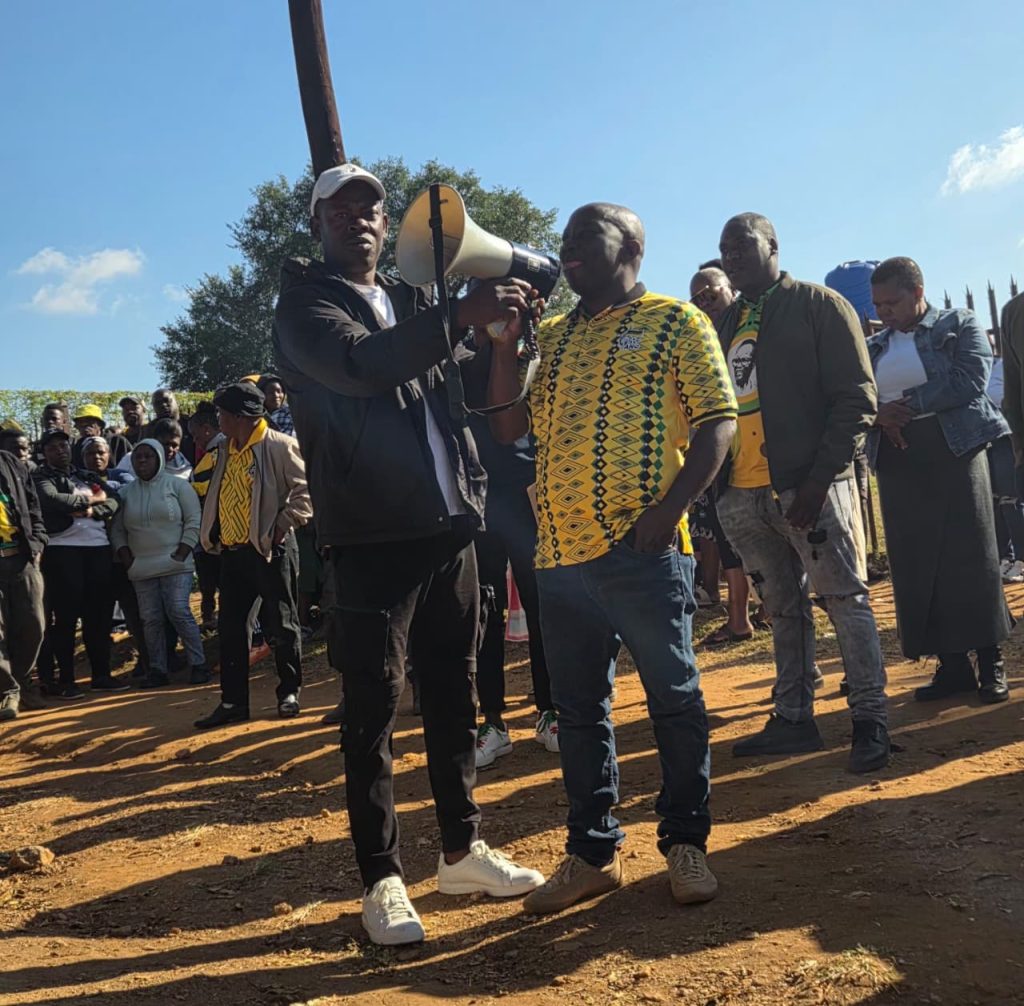
Lazarus Malatji, the local ANC leadership’s favourite.
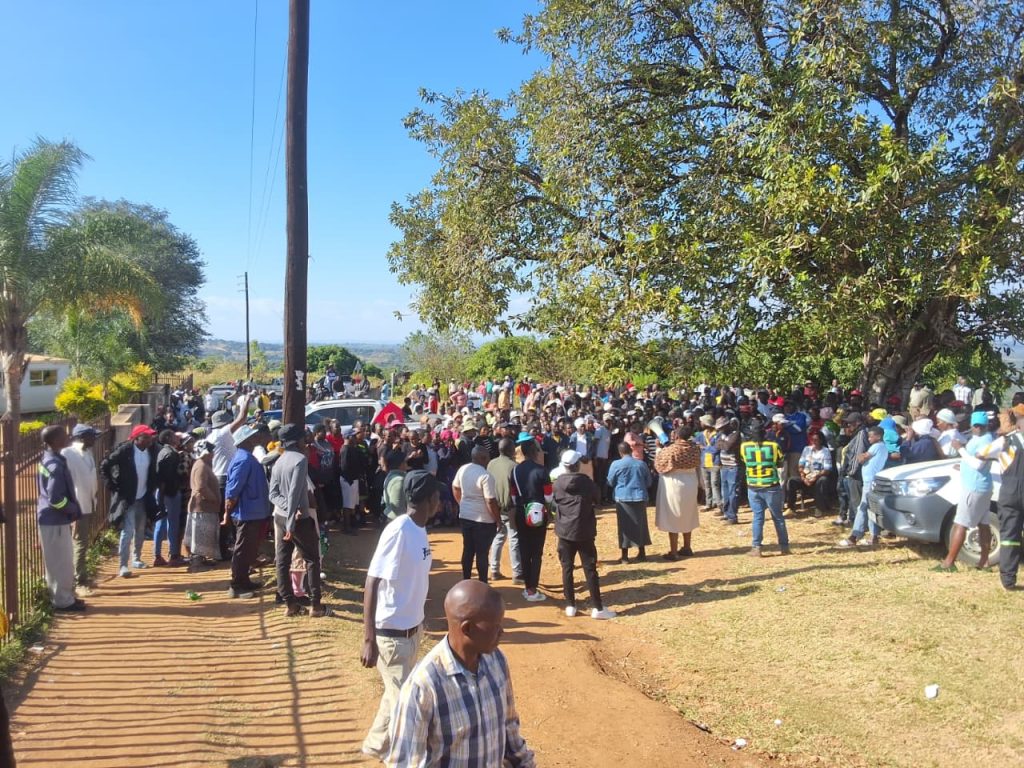
Marirong Community Meeting.