

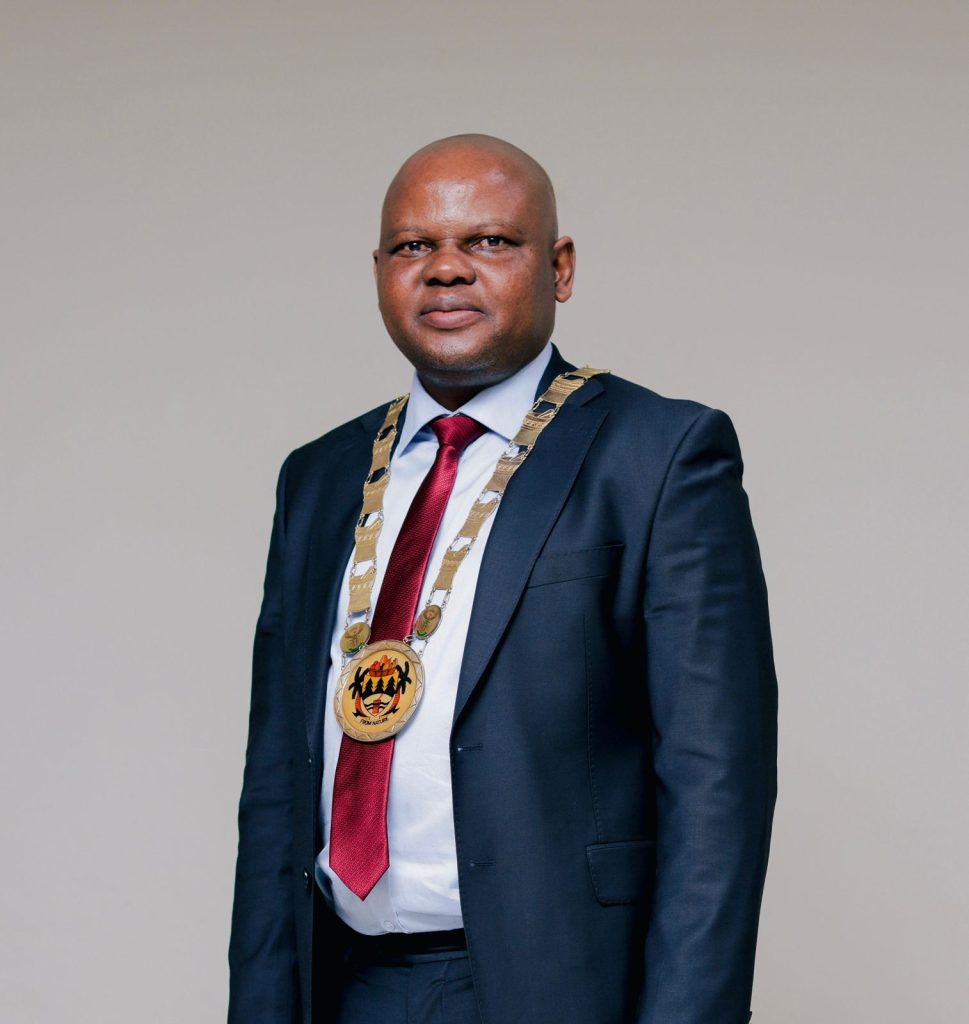
The Greater Tzaneen Municipality Mayor, Odas Ngobeni.
The Greater Tzaneen Municipality (GTM) council has officially approved a budget of R2.5 billion for the 2026/2027 financial year. The municipality projects a total revenue of R2.494 billion to fund its operations, which will be sourced through a combination of property rates, service charges, and government grants. Specifically, the revenue framework includes R549 million from the equitable share, R223.1 million from property rates, and R1.357 billion from service charges.
While the budget aims to drive infrastructure development, the approval has sparked significant public concern due to the implementation of sharp tariff increases for essential services. The municipal budget document confirms that electricity tariffs will rise by 9.1 percent, following guidelines from the National Energy Regulator of South Africa, while property rates and refuse removal charges are set to increase by 3.7 percent.
The most significant financial burden for residents, however, comes from water and sanitation charges. The council has approved water tariff hikes of 62.3 percent for Haenertsburg and 101.5 percent for Tzaneen, Letsitele, and surrounding areas. Even more dramatic is the increase in sewerage tariffs, which will jump by 281.8 percent. The municipality has defended these hikes by pointing to tariff adjustments from Lepelle Northern Water, proposals from the Mopani District Municipality, and the rising costs of maintaining service delivery operations.
Operational and Capital Allocation
The council approved a total operational expenditure of R2.201 billion. This significant portion of the budget is largely driven by rising employee-related costs, which have been allocated R550 million. Other major operational costs include R843 million for the purchase of bulk electricity and R134 million for inventory consumption.
In addition to operational needs, the municipality has set aside R289 million for capital expenditure projects. These funds are intended to stimulate development, with R113 million sourced from the Municipal Infrastructure Grant (MIG) specifically earmarked for the construction of roads, community halls, and the installation of high mast lights across various communities. Further capital projects include upgrades to electricity infrastructure, substations, and wastewater facilities. Specifically, the municipality plans to focus on repairs and maintenance at the Nkowankowa and Lenyenye wastewater treatment plants, alongside bulk water infrastructure upgrades and efforts to eradicate sanitation backlogs within the Mopani District.
Opposition Rejects Budget
Despite the municipality’s commitment to improving infrastructure, the budget faced strong resistance from opposition parties during the council sitting. Councillor Lebbeus Ramalepe, speaking on behalf of the Democratic Alliance (DA), formally rejected the budget. Ramalepe described the approved tariff increases as unaffordable and unsustainable for the average resident of Tzaneen.
The DA has signalled its intent to escalate the matter, stating that they will approach the National Treasury to request an investigation into the credibility of the adopted budget. Councillor Ramalepe argued that the financial burden being placed on the community cannot be justified under current economic conditions.
Mayor Odas Ngobeni, however, maintained that the budget reflects the council’s firm commitment to enhancing service delivery and fostering community development. As the municipality prepares for the new financial year, it faces the challenge of balancing these large-scale infrastructure ambitions against the growing public outcry over the cost of living. For the residents of Tzaneen, the coming year will test whether the promised improvements to water, electricity, and road infrastructure can justify the record-high increases in their municipal bills.